Endurance athletes chasing a marathon PR or a century ride need carbohydrate, not vibes, and the market is flooded with bars that promise both. This guide ranks six high-carb energy bars and fuels for long runs and rides in 2026, based on carb density, ingredient profile, and price per serving.
- 333 Half Evil delivers 84g of carbs and 1450mg electrolytes per serving — the best energy bars for endurance athletes pick for races over 90 minutes.
- AcornBar is the allergy-safe option at $24.00, vegan and gluten-free with no dairy.
- David Protein Bar packs 28g of protein but skews low-carb — save it for recovery, not mid-ride fueling.
- Liquid I.V. Hydration Multiplier is the hydration companion, not a standalone carb source.
Why this matters
Sports nutrition guidelines commonly cite 60-90g of carbohydrate per hour for endurance efforts lasting more than 90 minutes — anything less and you bonk before the finish line. Most gas-station bars top out at 20-25g of usable carbs, which forces you to eat more often or run a deficit late in a long ride. The products below solve that math problem in different ways: some pack carbs into a single serving, others trade carb density for allergen safety or protein content.
Browse the full catalog at Top25Items if you want to compare formats side by side before you commit to a race-day stack.
How we ranked
Each product on this list was scored against four criteria pulled directly from its own label and description: carb or protein density per serving, allergen and dietary flexibility (vegan, gluten-free, dairy-free), price per serving, and format versatility — can you eat it one-handed on a bike or mid-stride on a trail. Products marketed primarily as pre-workout stimulants or muscle-building powders were excluded unless they double as on-course fuel or hydration support. This isn't a lab test — it's a formulation and value comparison using the data each brand publishes in 2026.
The ranked list
1. 333 – Half Evil High-Carb Endurance Fuel
The carb-density benchmark on this list. 333 delivers 84g of carbs plus 1450mg of electrolytes in a single serving, priced at $36.97 as of the 2026 catalog check. That ratio matters because most long-course athletes need 60-90g of carbs per hour, and hitting that number from bars alone usually means eating three or four separate items. 333 is built to be the primary fuel source for races and long training blocks rather than a snack. If your event runs past two hours, this is the formula built for that window. Verdict: Buy.
2. AcornBar – Purely Vegan, Dairy-Free & Gluten-Free
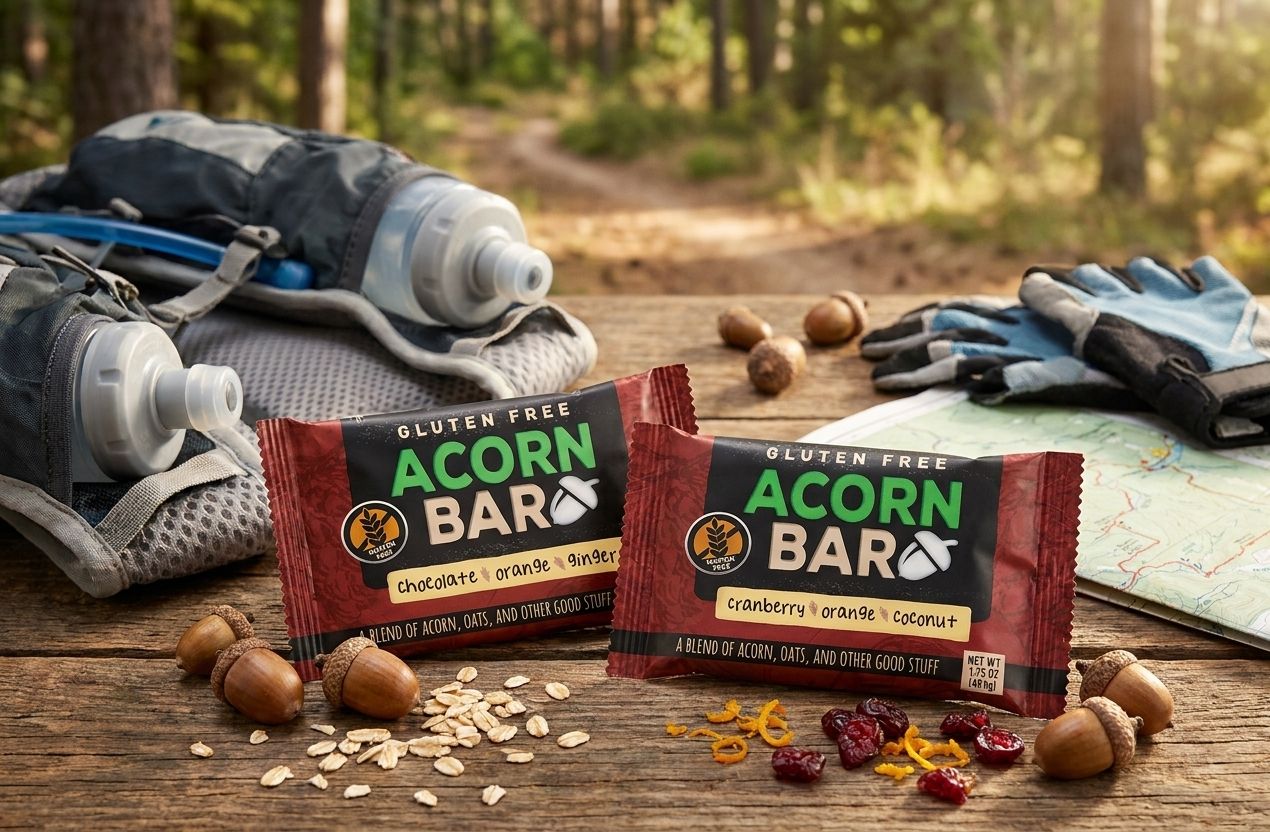
The allergy-safe pick for athletes who've been burned by whey-based or gluten-heavy bars mid-race. AcornBar runs $24.00 and comes in flavors like Chocolate Orange Ginger, made without dairy, gluten, or animal products. It won't match the carb density of a dedicated endurance-fuel product, but for anyone managing a dietary restriction on top of training volume, it closes a real gap in the category. Treat it as a rotation bar, not your only fuel source on a century ride. Verdict: Consider.
3. David Protein – Chocolate Chip Cookie Dough Bar
The protein-forward outlier, and worth flagging precisely because it's easy to misuse. David Protein packs 28g of protein into a $4.50 bar built around brown sugar, butter, and vanilla flavor notes — great for muscle repair, wrong tool for carb loading. Eating this mid-marathon instead of a carb-dense option slows gastric emptying when you need fast-burning fuel, not amino acids. Save it for the hour after you finish, when protein synthesis actually matters. Verdict: Skip for on-course fueling; Consider for recovery.
4. Prime Bites Protein Brownie
The bite-size backup that's easy to stash in a jersey pocket. Each brownie runs $4.00 and comes in mix-and-match flavors, which makes it simple to build variety into a long training week without committing to a full case of one taste. It's a snack-category bar, not a race-fuel bar — use it for shorter training runs or as a between-meal option, not as your primary carb source on a century ride. Verdict: Consider.
5. Brownie Batter Puff
The low-density snack pick. A 12-count box runs $29.99 and delivers a gluten-free marshmallow puff texture with a chocolate coating — closer to a treat than a fuel strategy. It works fine for casual weekend miles where you're not tracking carbs-per-hour, but it's not built to replace a dedicated endurance fuel on race day. Verdict: Hold.
6. Liquid I.V. Hydration Multiplier – Tropical Punch
The wildcard, because it's not a bar at all — it's the piece most long-ride fueling plans forget. Six packets run $10.89 and mix into an electrolyte drink using Cellular Transport Technology, which matters on hot rides where sodium loss outpaces what a bar alone can replace. Pair it with a carb-dense bar like 333 rather than relying on it as a calorie source. Verdict: Buy as a companion product.
Comparison table
| Product | Format | Key spec | Price | Verdict |
|---|---|---|---|---|
| 333 Half Evil | High-carb fuel | 84g carbs / 1450mg electrolytes | $36.97 | Buy |
| AcornBar | Vegan snack bar | Gluten-free, dairy-free | $24.00 | Consider |
| David Protein | Protein bar | 28g protein | $4.50 | Skip for racing |
| Prime Bites Protein Brownie | Snack bar | Mix-and-match flavors | $4.00 | Consider |
| Brownie Batter Puff | Puff bar, 12-count | Gluten-free marshmallow puff | $29.99 | Hold |
| Liquid I.V. Hydration Multiplier | Electrolyte drink mix | 6 packets | $10.89 | Buy (companion) |


Where to buy
- Check the label for grams of carbs per serving, not just total calories — a 200-calorie bar can carry anywhere from 15g to 40g of usable carbs depending on fat and fiber content.
- Buy multi-packs when the per-unit price drops noticeably versus single bars, especially for anything you'll eat weekly through a training block heading into 2026 race season.
- Cross-check allergen claims (gluten-free, dairy-free, vegan) against the current product page before race week — formulations can change between production runs.
FAQ
What are the best energy bars for endurance athletes in 2026?
333 Half Evil High-Carb Endurance Fuel leads this list for 2026 with 84g of carbs and 1450mg of electrolytes per serving. AcornBar is the top pick for athletes needing a vegan, gluten-free, dairy-free option.
How many carbs do I need per hour on a long run or ride?
Sports nutrition guidelines commonly recommend 60-90g of carbohydrate per hour for efforts over 90 minutes. A single serving of 333 covers most of that range on its own.
Is a protein bar like David Protein good for mid-race fueling?
No, David Protein's 28g-protein formula is built for recovery, not mid-race fueling. High-protein bars digest slower and can slow carb absorption when you need fast energy.
Are gluten-free energy bars as effective for endurance fueling?
Gluten-free doesn't mean lower-carb — AcornBar and Brownie Batter Puff are both gluten-free, but check the carbs-per-serving number since gluten-free formulas vary widely in carb density.
Should I pair an energy bar with an electrolyte drink on long rides?
Yes, pairing a carb-dense bar like 333 with an electrolyte mix like Liquid I.V. Hydration Multiplier covers both carb and sodium needs on rides longer than two hours.
How much do high-carb endurance bars cost?
Prices in this list range from $4.00 for a single Prime Bites Protein Brownie to $36.97 for a 20-serving container of 333 Half Evil, depending on carb density and format.
What should I avoid eating right before a long run?
Avoid high-protein, high-fat bars like David Protein right before a long run — they digest slowly and can cause GI discomfort when you need quick-burning carbs instead.
One last thing
The biggest mistake in this category isn't picking the wrong bar — it's eating the same carb source for four hours straight. Rotating between a dense fuel like 333 and a snack-format bar like Prime Bites Protein Brownie keeps flavor fatigue and GI distress from ending your race before the distance does. Heading into the 2026 season, the athletes who fuel well are the ones who treat carb intake as a schedule, not a single product choice.